Checking Out the Providers Offered in Offshore Business Formations: What You Required to Know
Offshore firm formations offer a series of services designed to facilitate organization success while making certain conformity with legal demands. These services can include firm enrollment, lawful recommendations, and arrangements for privacy with nominee supervisors. In addition, factors to consider around tax optimization and property defense are critical. Comprehending these aspects can significantly affect one's decision-making procedure. Nevertheless, the complexities of steering and selecting the best jurisdiction through guidelines increase better inquiries. What should one think about following?
Recognizing Offshore Business Frameworks
What specifies an offshore business structure? An offshore business is commonly registered in a foreign territory, usually characterized by beneficial regulative settings and discretion. These frameworks are created to give legal separation between the company's assets and its proprietors, allowing a range of operational and economic advantages. Offshore business can be established as various types, including limited liability companies (LLCs), corporations, or depends on, relying on the governing structure of the picked territory.
Secret functions of these structures consist of enhanced personal privacy, asset protection, and simplicity of worldwide business deals. In addition, they usually need very little regional presence and can assist in the administration of financial investments across borders. The choice of a particular overseas jurisdiction can considerably affect the operational capabilities and conformity requirements of the firm. Generally, understanding the details of offshore firm structures is important for investors and business owners seeking to maximize their company strategies.
Tax Obligation Benefits of Offshore Business
Offshore firms use considerable tax benefits that can enhance productivity and financial performance for service proprietors. One of the key benefits is the potential for decreased company tax obligation rates, which can be notably less than those in the proprietor's home nation. Many offshore territories provide tax obligation rewards, such as tax obligation vacations or exemptions on specific sorts of income. In addition, offshore business might benefit from favorable tax treaties, permitting for the reduction or removal of withholding tax obligations on dividends, nobilities, and passion. This can result in enhanced capital and much better reinvestment chances. Some offshore entities can operate under a territorial tax system, which only taxes income produced within that jurisdiction. This framework can be particularly advantageous for organizations participated in global trade or on the internet services, allowing them to optimize their tax obligations while maintaining compliance with global regulations. Overall, these tax obligation advantages can substantially add to lasting monetary success.
Privacy and Discretion Attributes
Exactly how can business owners protect their delicate information while benefiting from international possibilities? Offshore business formations offer robust privacy and privacy functions that attract entrepreneurs looking for discretion (Offshore Company Formations). Several territories provide nominee services, allowing individuals to assign 3rd parties as shareholders or supervisors, thus hiding their identities from public records
Furthermore, stringent information security regulations in numerous offshore regions guarantee that delicate details continues to be confidential. Offshore companies usually gain from improved financial personal privacy, with laws that protect client identifications and monetary transactions.
The usage of private addresses for registered offices minimizes direct exposure to public analysis.
These privacy procedures enable entrepreneur to run with better self-confidence, recognizing their sensitive data is safe and secure. By leveraging these attributes, entrepreneurs can concentrate on strategic growth chances without the consistent problem of details exposure.
Property Protection Methods
While steering via the intricacies of worldwide organization, business owners have to focus on possession security to safeguard their riches from prospective threats. Offshore business formations offer durable strategies for mitigating direct exposure to lawful insurance claims, lender actions, and political instability. One reliable approach entails establishing a minimal liability firm (LLC), which divides individual possessions from business responsibilities, thereby giving a shield against legal actions.
Furthermore, business owners can utilize trusts to hold possessions, ensuring they continue to be safeguarded from creditors and lawful disagreements. Territories with strong asset security legislations, such as Nevis or the Cook Islands, are typically preferred for their favorable policies. Implementing Resources correct insurance plans and expanding financial investments further enhances security, minimizing vulnerability to market fluctuations. On the whole, making use of these methods within an overseas framework not just advertises wealth conservation but likewise cultivates lasting economic stability, allowing entrepreneurs to concentrate on growth and technology without excessive problem over asset direct exposure.
Opening Up Offshore Financial Institution Accounts
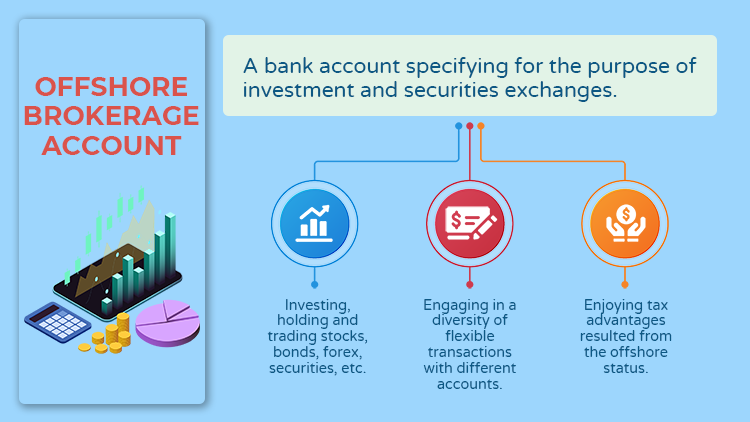
Opening up overseas financial institution accounts involves recognizing the different account types available, which can satisfy different financial requirements. Additionally, the documentation process is necessary, as it typically requires specific kinds of identification and proof of home. This review will make clear the alternatives and requirements for individuals and services seeking to establish offshore financial partnerships.
Account Kind Supplied
Offshore bank accounts come in numerous types, each developed to accommodate different economic needs and objectives. Personal accounts are tailored for individuals seeking personal privacy and asset security, while corporate accounts promote company deals and management of company funds. Multi-currency accounts are popular among international financiers, enabling transactions across different money without excessive conversion charges. In addition, interest-bearing accounts supply interest on down payments, attracting those wanting to expand their possessions safely. Some financial institutions likewise offer financial investment accounts, supplying customers accessibility to various financial investment opportunities. Each account type may feature distinctive advantages and attributes, enabling clients to select the one that straightens best with their monetary strategies and objectives. Recognizing these alternatives is basic for reliable offshore banking.
Called For Documents Refine
To efficiently open up an overseas checking have a peek at this website account, potential clients need to prepare a collection of certain records that satisfy governing needs. This usually includes a legitimate ticket or government-issued identification to verify identity. Clients are also required to give evidence of home, such as an utility bill or financial institution declaration, dated within the last three months. Furthermore, a detailed summary of the resource of funds is required to ensure compliance with anti-money laundering policies. Some financial institutions might ask for a business plan or referral letters, especially for company accounts. Each jurisdiction might have one-of-a-kind demands; subsequently, talking to a professional in overseas solutions is advisable to ascertain all paperwork is complete and accurate, facilitating a smoother account opening procedure.
Compliance and Governing Factors To Consider
Steering the complexities of compliance and governing factors to consider is crucial for any entity going after offshore firm developments. Entities have to stick to various global and local legislations that regulate financial tasks, taxation, and corporate administration. Key regulations frequently include anti-money laundering (AML) legislations, recognize your customer (KYC) protocols, and coverage demands to ensure openness.
Companies have to stay alert concerning modifications in regulations that may affect their functional standing. Failing to abide can cause extreme penalties, including penalties or the dissolution of the business. Engaging with financial and legal specialists that focus on overseas guidelines can offer essential guidance in guiding with these ins and outs.
Furthermore, comprehending the ramifications of tax treaties and international agreements is basic for keeping compliance. Companies need to prioritize developing robust compliance frameworks to mitigate threats and guarantee long-lasting sustainability in their overseas ventures.
Choosing the Right Offshore Jurisdiction
Just how does one identify one of the most appropriate overseas territory for firm formation? The option of territory is critical and includes several aspects. One have to evaluate the lawful framework and laws governing firms in possible jurisdictions. Desirable tax routines, such as low or no business tax obligations, are commonly a main factor to consider. In addition, the political stability and online reputation of the territory play substantial roles in making sure the security of possessions and compliance with global criteria.
In addition, the accessibility of banking solutions and the convenience of doing business must not be ignored. A territory offering durable confidentiality stipulations can also be advantageous for those seeking personal privacy. Ultimately, evaluating the prices connected with firm development, upkeep, and prospective lawful costs is vital. By considering these elements, one can make a notified choice, guaranteeing that the chosen offshore territory straightens with their company objectives and operational requirements.
Often Asked Concerns
The length of time Does the Offshore Company Development Process Normally Take?

The offshore company development process commonly takes anywhere from a couple of days to several weeks. Offshore Company Formations. Elements influencing this timeline include territory, documents completeness, and specific solution carriers associated with the development procedure
What Are the Initial Expenses Associated With Establishing up an Offshore Firm?
The initial costs for establishing an offshore business can differ commonly, usually encompassing enrollment costs, lawful expenditures, and added fees for services like copyright arrangement and compliance, commonly amounting to numerous hundred to a number of thousand bucks.
Can Individuals Kind Offshore Companies Without Specialist Assistance?
Individuals can technically form offshore firms separately; nevertheless, they often encounter intricate legal and regulative needs. Offshore Company Formations. Specialist help is advised to browse these difficulties efficiently and assure conformity with pertinent laws and guidelines
What Papers Are Needed for Offshore Firm Enrollment?
The documents needed for overseas business enrollment generally include recognition evidence, a thorough business plan, evidence of address, and, in some jurisdictions, a statement of beneficial ownership and resolutions from supervisors.
Are There Ongoing Maintenance Fees for Offshore Business?
Continuous maintenance fees for overseas firms are commonly called for to assure conformity with regional guidelines. These costs may include annual revival costs, signed up representative services, and accounting, differing by jurisdiction and specific company structure.